 +91 9820000030
 info@costhetica.com
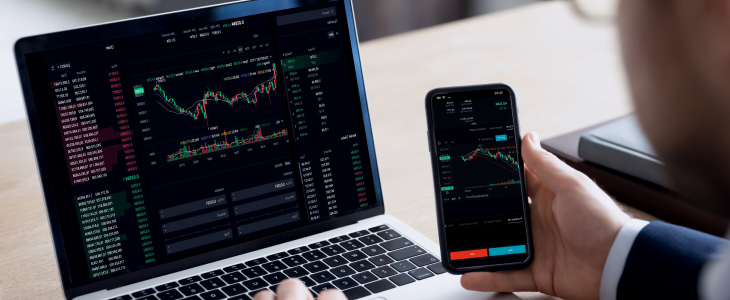
Forex trading can be an exciting and rewarding endeavor if approached with the right tools and information. Central to this journey is the importance of a forex trading account, which serves as the pathway to the forex market. Whether you are a novice looking to dip your toes into trading or an experienced trader seeking to optimize your strategy, understanding forex trading accounts is crucial. For a comprehensive list of various forex trading account Trading Brokers, it’s essential to research and select the best one suited for your trading style.
Understanding Forex Trading Accounts
A forex trading account is a space where traders can execute trades in foreign currencies. Forex trading differs from stock trading in that it usually involves currencies rather than shares of stock. In the forex market, currencies are traded in pairs, such as EUR/USD, where you speculate on the price movements of one currency against another. To start trading, you’d need to open a forex trading account with a broker.
Types of Forex Trading Accounts
Forex brokers offer different types of accounts, each designed to cater to various trading styles and levels of experience. Here are the main types of forex trading accounts:
1. Demo Accounts
Demo accounts are invaluable for beginners as they allow you to practice trading without risking real money. They simulate real trading conditions, thereby providing a risk-free environment to learn the ins and outs of trading. Many brokers offer demo accounts for varying periods, often using virtual currency. Utilize these accounts to practice your strategies, test your trading platforms, and become familiar with the market.
2. Standard Accounts
Standard accounts are the most common type used by traders and require a specific minimum deposit, usually ranging from $100 to $1,000. They offer traditional trading conditions where you can trade with leverage. Leveraged trading allows you to control a larger position than your actual capital. The typical lot size in a standard account is 100,000 units of currency.
3. Mini Accounts
Mini accounts are targeted toward traders with smaller capital and typically require a lower minimum deposit, usually around $50 to $250. These accounts allow trading with smaller lot sizes, with one mini lot equating to 10,000 units of currency. This account type is suitable for those who want to trade with reduced risks.

4. Micro Accounts
Micro accounts are excellent for beginner traders or those hesitant to risk large amounts of money. They generally require a minimal deposit (some as low as $10) and allow trading with micro lots (1,000 units). This account type offers a great way to get started with live trading while minimizing risk.
5. Managed Accounts
Managed accounts allow traders to invest their capital with professional money managers. This type of account is suitable for individuals who may not have the time or expertise to trade on their own. The manager makes trading decisions on your behalf, typically for a fee or a percentage of the profits. It’s crucial to do thorough research on the manager’s track record before investing.
Choosing the Right Forex Trading Account
Selecting the right forex trading account is vital for your trading success. Here are some factors to consider:
1. Trading Experience
Your level of experience should guide your choice of account type. Beginners often benefit from demo and micro accounts, while more experienced traders may opt for standard or managed accounts for larger trades.
2. Trading Style
Different trading styles, such as scalping, day trading, or swing trading, may require different types of accounts. Consider the trading strategy you plan to adopt, and choose an account that aligns with your needs.
3. Broker Fees and Spreads
Forex brokers earn money through spreads (the difference between the buying and selling prices) and fees. It’s essential to understand the fee structures, including spreads, commissions, and withdrawal fees, before opening an account. Low spreads are crucial for day traders who make many trades daily, whereas a fixed spread might be preferable for long-term traders.
4. Leverage Options
Leverage enables traders to control larger positions, allowing for potentially higher profits. However, it also increases risk significantly. Understand how much leverage is offered by different brokers and choose what suits your risk tolerance.
Tips for Successful Forex Trading
After opening a forex trading account, here are some tips to improve your trading performance:
1. Develop a Trading Plan
Every successful trader has a well-defined trading plan. This plan should outline your trading strategy, including the currencies you plan to trade, your risk management techniques, and your profit objectives. A solid trading plan helps you stay disciplined and avoid impulsive decisions.
2. Risk Management
Effective risk management is crucial to protect your capital. Never risk more than you can afford to lose, and consider using stop-loss orders to limit potential losses. A common rule is to risk no more than 1% of your trading capital on a single trade.
3. Keep Learning
The forex market is ever-evolving, and continuous education is vital for success. Pay attention to market news, economic reports, and global events influencing currency prices. Additionally, participate in webinars and read books to refine your skills.
4. Utilize Technical and Fundamental Analysis
Both technical analysis (analyzing price movements) and fundamental analysis (analyzing economic indicators) are essential tools for successful trading. Employ a combination of both to make informed trading decisions and forecast currency movements.
Conclusion
In conclusion, a forex trading account is the foundation from which you can embark on your trading journey. Understanding the different types of accounts, knowing how to choose the right one for your needs, and developing a solid trading strategy are all necessary steps to achieving success in the forex market. Remember, education and practice are key to becoming a proficient trader. Armed with the right knowledge and tools, you can navigate the world of forex trading effectively.