 +91 9820000030
 info@costhetica.com

Essential Forex Trading Tools for Success
In the fast-paced world of forex trading, having the right tools at your disposal can make all the difference. Whether you’re a beginner or an experienced trader, leveraging the best forex trading tools can enhance your trading strategies, help you make informed decisions, and ultimately lead you to success in the forex market. Among these tools, resources such as forex trading tools Islamic Forex Trading provide valuable insights into specific trading practices tailored for different trading philosophies.
The Importance of Forex Trading Tools
Forex trading is a dynamic environment that requires constant analysis and adaptation. With currencies fluctuating in response to economic news, geopolitical events, and market sentiment, traders must be equipped with tools that allow for quick and accurate analysis. These tools can range from simple charting programs to complex algorithmic trading systems. The right forex trading tools can help you execute trades more effectively, manage risk, and stay ahead of market trends.
Types of Forex Trading Tools
1. Charting Software
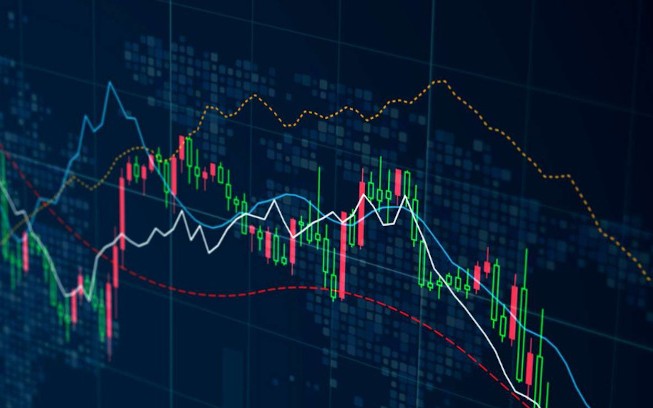
Charting software is fundamental for any forex trader. It allows you to visualize price movements over different timeframes. Various charting platforms offer features such as technical indicators, drawing tools, and customizable layouts, enabling traders to analyze market trends and make predictions. Popular platforms include MetaTrader 4 (MT4), MetaTrader 5 (MT5), and TradingView. Each of these tools allows users to apply technical analysis, ranging from simple moving averages to complex oscillators, helping traders identify potential entry and exit points.
2. Economic Calendars
Economic calendars track key economic events and indicators that can influence currency prices. Important data releases, such as GDP reports, employment figures, and central bank meetings, can lead to significant market movements. By utilizing an economic calendar, traders can anticipate market volatility and align their trading strategies accordingly. Many brokers provide integrated economic calendars within their trading platforms, making it easy to stay informed about relevant market events.
3. Trading Platforms
A robust trading platform is essential for executing trades efficiently. Most forex brokers provide proprietary platforms or integrate popular platforms like MT4 and MT5. These platforms should offer features such as one-click trading, customizable charts, and a variety of order types. Additionally, a reliable platform should provide fast execution speeds and a secure environment for trading. The choice of the trading platform can significantly impact a trader’s performance, so it’s crucial to choose one that meets your specific needs.
4. Forex Calculators
Forex calculators help traders understand key metrics such as pip value, margin requirements, and position sizes. Knowing how to calculate these values is vital for risk management. For example, a pip calculator enables traders to determine the monetary value of a single pip movement based on their trade size. This insight is essential for making informed decisions and managing exposure effectively.
5. Technical Indicators
Technical indicators provide insights into market trends and potential price movements. Popular indicators include moving averages, Bollinger Bands, Relative Strength Index (RSI), and MACD (Moving Average Convergence Divergence). Each of these indicators serves a unique purpose, helping traders analyze market momentum, identify overbought or oversold conditions, and spot potential reversals. By incorporating these indicators into their trading strategies, forex traders can gain a clearer picture of market conditions.
Choosing the Right Tools for Your Trading Strategy
Selecting the right forex trading tools depends on your trading style, goals, and experience level. Day traders may prioritize tools that facilitate quick analysis and execution, while swing traders might seek tools that assist with longer-term trend analysis. Additionally, beginners should focus on user-friendly platforms that offer educational resources, allowing them to build their skills over time. It is vital to take the time to understand and experiment with different tools to determine which best suit your trading strategy.
Staying Informed: Educational Resources
Beyond trading tools, education plays a crucial role in a trader’s success. Many brokers offer a range of educational resources, including webinars, articles, and video tutorials, which can help traders learn about various tools, strategies, and market fundamentals. Staying informed about market trends and enhancing your trading skills through continuous learning is key to becoming a successful forex trader.
7. Risk Management Tools
Managing risk is a critical aspect of forex trading. Various tools assist traders in ensuring they do not overexpose themselves to potential losses. Stop-loss orders are a fundamental risk management tool, allowing traders to set predefined levels at which their positions will close to limit their losses. Other risk management strategies include using proper position sizing and diversifying across different currency pairs. By leveraging these tools, traders can protect their capital and improve their chances of long-term success.
Conclusion
The forex market presents both opportunities and challenges. By utilizing the right forex trading tools, traders can navigate the complexities of the market more effectively. From advanced charting software and economic calendars to educational resources and risk management tools, having the right tools can significantly enhance your trading experience. As you delve into the world of forex trading, remember to keep learning and adapting your strategies based on the resources available to you. The journey might be challenging, but with the right tools and knowledge, success in forex trading is attainable.