 +91 9820000030
 info@costhetica.com

The Best Platforms for Forex Trading: A Comprehensive Guide
If you are looking to enter the dynamic world of forex trading, choosing the right platform is critical for your success. A good forex trading platform provides you with the necessary tools to conduct trades, analyze market trends, and manage your portfolio efficiently. This article will explore the best platform for forex trading by reviewing their features, pros, and cons, and guiding you on how to select the right one for your trading venture. For more insights into regional brokers, you can check out best platform forex trading Cambodia Brokers.
What to Look for in a Forex Trading Platform
When selecting a forex trading platform, there are several key factors to consider:
- Regulation: Ensure the platform is regulated by a credible financial authority to ensure the safety of your funds.
- User-Friendly Interface: The ease of use can greatly impact your trading experience, especially if you are a beginner.
- Tools and Features: Look for platforms that offer technical analysis tools, real-time graphs, price alerts, and risk management tools.
- Variety of Currency Pairs: A diverse range of available currency pairs allows traders to explore various trading strategies.
- Fees and Spreads: Understand the fee structure, including spreads and commissions, as these can impact your profitability.
Popular Forex Trading Platforms
Several platforms stand out in the forex trading arena. Let’s look at some of the most popular options available:
1. MetaTrader 4 (MT4)
MetaTrader 4 is one of the most popular platforms among forex traders, known for its user-friendly interface and advanced trading tools. It supports automated trading through Expert Advisors (EAs), enabling traders to automate their trading strategies.
- Pros: Robust analytical tools, customizable interface, extensive support for trading robots.
- Cons: Limited to forex and CFDs, lacks some advanced features present in later versions.
2. MetaTrader 5 (MT5)
A successor to MT4, MetaTrader 5 offers a wider range of assets, including stocks and commodities, along with improved charting tools and features for algorithmic trading.
- Pros: Multi-asset platform, better analytical tools, and features, supports more order types.
- Cons: Some brokers still offer MT4 exclusively, leading to limited access.
3. cTrader
cTrader is known for its sleek interface and advanced trading features. It offers various tools for manual trading and is also highly regarded for its extensive algo trading capabilities.
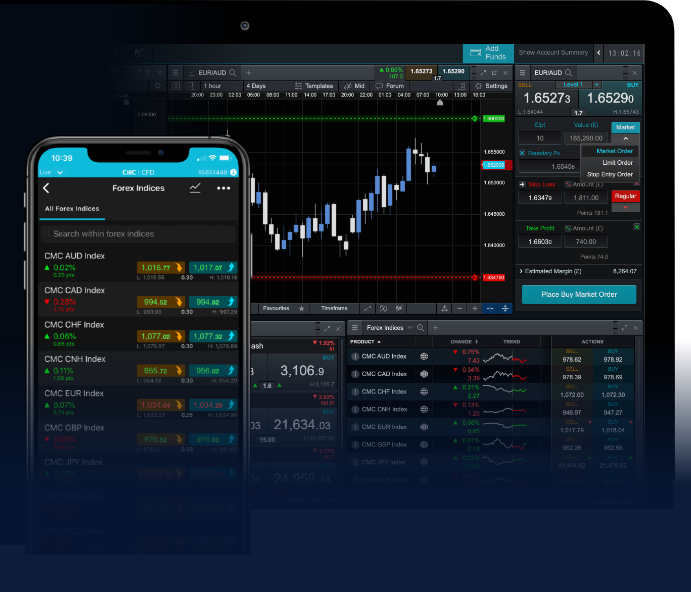
- Pros: Intuitive interface, advanced order types, and fast execution speeds.
- Cons: Some users may find it less familiar if they are used to MT4/MT5.
4. TradingView
While not a traditional trading platform, TradingView offers exceptional charting tools and a social network for traders to share ideas. It’s ideal for traders who rely heavily on technical analysis.
- Pros: Excellent charting capabilities, social trading features, and can be integrated with various brokers.
- Cons: The trading functionalities are limited unless connected with a broker.
Pros and Cons of Using Forex Trading Platforms
Every trading platform comes with its own advantages and disadvantages. Understanding these can help you make a more informed decision:
Pros:
- Access to a wider range of financial instruments.
- Advanced trading tools that can improve your trading outcomes.
- Ability to automate trades and use algorithmic strategies.
- In-built risk management features for better control of finances.
Cons:
- Some platforms may have high fees and spreads, eating into profits.
- Steep learning curves if the interface is not user-friendly.
- Possible delays in trade execution during high volatility.
How to Choose the Right Forex Trading Platform
Choosing the right platform can be daunting given the multitude of options available in the market. Here are steps you can follow to simplify the process:
- Define Your Trading Needs: Determine what types of trading you are interested in (e.g., day trading, scalping) and what features matter most to you.
- Test Platforms: Most reputable platforms offer demo accounts. Take advantage of this to practice before committing real funds.
- Research Broker Support: Ensure that the platform is offered by a broker with good support, educational resources, and a solid reputation.
- Compare Fees: Carefully evaluate the cost structures across platforms to find a suitable balance between features and affordability.
- Security Measures: Investigate the security protocols employed by the platform, as safeguarding your investment is paramount.
Conclusion
In conclusion, the best platform for forex trading depends on your unique trading style, objectives, and experience level. With various options such as MetaTrader 4, MetaTrader 5, cTrader, and TradingView, it’s essential to take the time to evaluate what each offers and how it aligns with your trading goals. Make informed decisions, utilize demo accounts, and always stay updated with market trends to maximize your trading potential.