 +91 9820000030
 info@costhetica.com
Understanding the psychological tricks that keep you playing in casinos
The Allure of Reward Systems
Casinos are designed to captivate players through intricate reward systems that evoke a sense of excitement and anticipation. The intermittent reinforcement schedule is a key psychological tactic that keeps gamblers engaged. When players win, the thrill of success creates a dopamine rush, making them crave the next win, even if it is sporadic. This unpredictability, coupled with options like social casino games, heightens the experience, compelling players to continue trying their luck.

The feeling of winning, even if it occurs infrequently, reinforces the behavior of playing more. This cycle keeps individuals returning to the gaming tables or slot machines, convinced that the next big win could be just around the corner. The excitement of potential rewards acts as a strong motivator that overshadows losses, leading to a continuous loop of play.
The Impact of Environment and Design
The environment of a casino is meticulously crafted to enhance the gaming experience. Bright lights, engaging sounds, and a lively atmosphere create a sensory overload that immerses players in the moment. This design is intentional, as the stimulating environment distracts from the reality of time and money spent. Players often lose track of their surroundings, leading to longer playing sessions.
Furthermore, casinos typically use open layouts that encourage movement and exploration. This openness invites players to wander from one game to another, prolonging their stay and increasing the likelihood of spending more money. The combination of sensory stimulation and strategic design creates an inviting and addictive space that entices players to keep playing.
The Role of Social Interaction
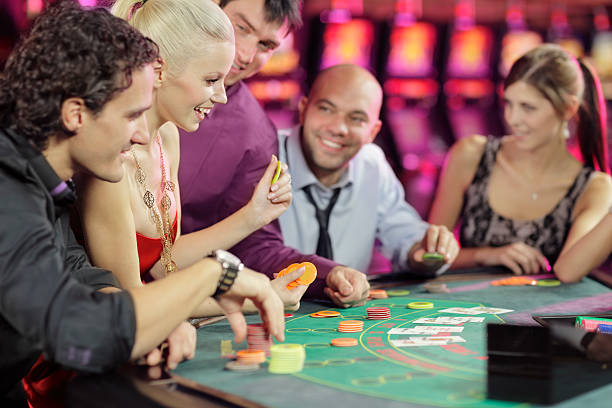
Social interaction in casinos is another significant factor that keeps players engaged. Whether it’s chatting with friends or meeting new people at gaming tables, the social aspect adds an enjoyable dimension to the gaming experience. This interaction can lead to a sense of camaraderie and belonging, which enhances the appeal of spending time in a casino.
Additionally, observing others winning can create a bandwagon effect, encouraging individuals to join in the excitement. Players are often motivated to keep playing not just for the thrill of the game, but to share in the collective experience of triumph, whether real or perceived. This social reinforcement amplifies the desire to continue engaging with the games.
Understanding the Illusion of Control
Many players fall victim to the illusion of control, believing that they can influence the outcomes of games based on strategy or technique. This misconception is particularly prevalent in games like poker or blackjack, where players feel their decisions impact results. This perceived control can lead to prolonged gameplay as individuals trust their skills will eventually yield better outcomes.
This belief is often bolstered by anecdotes of past successes, leading players to rationalize their continued play despite losing streaks. The cognitive dissonance created by contrasting experiences can result in a dangerous cycle, where players feel compelled to chase their losses, thinking that a strategic change will lead to a significant win, despite the odds being against them.
Conclusion and Further Exploration
Understanding the psychological tricks used by casinos can help individuals make more informed choices about their gambling habits. Awareness of the allure of rewards, the impact of environment, the role of social interaction, and the illusion of control can empower players to engage with gambling responsibly.
For those interested in exploring this topic further, numerous resources and studies examine the psychology behind gambling behaviors. By gaining insights into these mechanisms, players can enjoy their gaming experience while minimizing potential risks associated with gambling addiction.