 +91 9820000030
 info@costhetica.com
The Allure of Risk and Reward
The psychology of casino gambling is deeply intertwined with the concepts of risk and reward. When players step into a casino or log onto an online gambling platform, they are often driven by the potential for significant wins that can dramatically alter their financial situation. This allure of risk can create a thrilling experience, igniting feelings of excitement and anticipation as individuals bet their money on games of chance. For instance, some players search for canada online casinos to maximize their opportunities and enjoy the gaming ambiance.
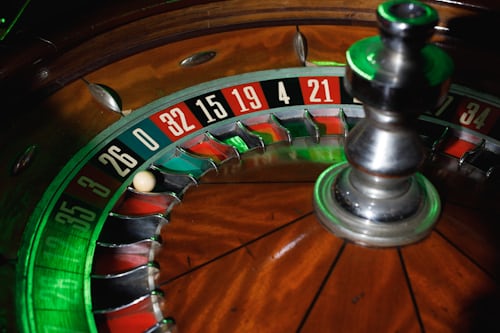
This dynamic is further enhanced by the reward system in the human brain. The anticipation of winning triggers the release of dopamine, a neurotransmitter associated with pleasure and reward. This chemical reaction can lead individuals to chase the thrill of gambling, often overlooking the odds stacked against them. The brain’s response to risk and potential reward makes casino gambling an enticing activity for many, despite the inherent dangers involved.
The Social Environment and Group Dynamics
The social aspect of casino gambling adds another layer to its psychological appeal. Casinos are designed to be vibrant and lively places where individuals can engage with others, share experiences, and celebrate wins together. This communal atmosphere fosters a sense of belonging and connection, which can further enhance the thrill of gambling.
Additionally, group dynamics play a significant role in how people gamble. The presence of other players can intensify emotions, leading to the phenomenon known as “social facilitation,” where individuals perform better or engage more deeply in activities when in a group setting. In a casino, the cheers and excitement of fellow players can amplify the thrill, pushing individuals to take greater risks or continue playing longer than they might have alone.
The Role of Cognitive Biases
Cognitive biases significantly influence gambling behavior, often leading players to make irrational decisions. The illusion of control is one such bias; many gamblers believe they can influence the outcome of games, particularly in skill-based games like poker. This misconception can drive them to gamble more frequently, as they feel empowered by their perceived abilities.
Another common bias is the gambler’s fallacy, where individuals mistakenly believe that past outcomes affect future results. For instance, a player might think that after a series of losses, they are due for a win. These cognitive distortions not only fuel the thrill of gambling but also can lead to problematic behaviors as individuals chase their losses in hopes of a big win.
The Emotional Rollercoaster of Gambling
Gambling elicits a wide range of emotions, from elation to despair, which contributes to its captivating nature. The highs of winning can lead to euphoric feelings, while the lows of loss can create frustration and disappointment. This emotional rollercoaster is enticing for many, as it triggers a powerful experience that can be both exhilarating and devastating.
Moreover, the transient nature of these emotions may compel individuals to return to gambling in search of that next high. The cycle of winning and losing creates a unique psychological experience that keeps players engaged, despite the risks involved. Understanding these emotional aspects is crucial for recognizing the potential for addiction and the compulsive nature of gambling.

Finding Resources and Support Online
While the thrill of casino gambling can be enticing, it’s essential to approach it with caution. Many individuals may find themselves seeking help for gambling-related issues, and various online resources are available to assist. These platforms offer valuable support and information for those wanting to manage their gambling habits or seeking treatment for gambling addiction.
Navigating these resources can sometimes be challenging, especially when faced with barriers such as access restrictions. However, being proactive about seeking help and utilizing available online tools can significantly aid individuals in understanding and managing their gambling behaviors. It is important to recognize the psychological factors at play and to find support when needed.