 +91 9820000030
 info@costhetica.com
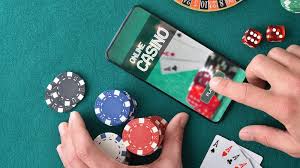
Cultural Preferences That Shape the Casino Experience
The world of casinos is a vibrant tapestry woven from the threads of cultural preferences that enrich the gambling experience. From the neon-lit halls of Las Vegas to the serene gambling houses in Macau, each location showcases unique cultural influences that affect everything from game popularity to social interactions. One significant factor is how culture influences the design and operation of casinos globally. Visit Cultural Preferences That Shape Casino Game Design by Region https://bet365-casino.it to explore some of these cultural dynamics.
Understanding the Cultural Landscape
Culture informs a society’s values, beliefs, and behaviors, thus influencing the way residents and tourists engage with casinos. Each country or region approaches gambling through its own cultural lens, leading to divergent preferences and practices. For instance, in Asian cultures, gambling is often seen as a means of enhancing social harmony and fostering community ties, which differs significantly from the Western perspective that emphasizes individualism and personal entertainment. Understanding these cultural contexts is crucial for casino operators and marketers looking to attract a diverse clientele.
The Impact of Tradition on Game Choices
Game selection can vary widely based on cultural attitudes toward gambling. In Western nations, card games like poker, blackjack, and slot machines hold primary appeal, viewed as thrilling tests of skill, luck, and strategy. However, in Asian markets, games like baccarat and mahjong are more prevalent, tied deeply to cultural traditions and social practices.
In many Asian countries, gambling is not just about the monetary stakes but also about the social experience. For instance, Mahjong is often played in family gatherings and community events—it brings people together in a way that transcends simple entertainment.

Casino Design and Environment
Casino design plays a crucial role in how visitors experience these establishments. In the United States, casinos are often flashy, filled with bright lights and extravagant decorations designed to stimulate excitement and encourage prolonged play. Conversely, casinos in Japan may take on a more subdued appearance, focusing on aesthetics that emphasize natural elements and comfort, aligning with local preferences for harmony and tranquility.
The layout of gaming areas can also reflect cultural values. In some cultures, privacy and exclusivity are paramount; hence higher stakes areas may be more segregated to provide an air of sophistication and status, while in others, a communal and open space fosters friendliness and social interaction.
Social Interaction and Gamification
The social aspect of gambling varies across cultures, with interaction styles deeply influenced by local customs. In many Asian cultures, group play is prevalent. This communal experience encourages social bonding, which could run counter to the more solitary gaming style often observed in Western countries. In Western casinos, players may prefer to engage in games individually or in small groups, focusing on the thrill of competition rather than on community.
Gamification strategies deployed in casinos can also attract specific cultural demographics. The preference for rewards, loyalty programs, and incentives can differ—what might engage players in one culture could fall flat in another. For example, while luxury experiences may attract high rollers in certain contexts, offering everyday rewards may resonate more with the average player in different regions.
Regulatory and Cultural Influences
Legal regulations around gambling activities are often steeped in cultural differences. Countries like the United States have extensive regulations governing casinos, while countries such as Monaco or Singapore have made strategic efforts to attract tourists through their liberal gambling laws. These regulations impact both the physical setup of casinos and how they market themselves to potential customers.
Furthermore, the acceptance level of gambling varies significantly. Some cultures view gambling as taboo or destructive, leading to stringent regulations. In contrast, others embrace it as a form of entertainment, leading to more liberal laws that foster a flourishing gambling industry.

The Influence of Technology and Cultural Adaptation
With the rise of online casinos, the cultural preferences that shape gambling experiences are undergoing significant transformation. Virtual casinos can tailor their offerings to specific cultural demographics, adapting games and interfaces to meet local tastes and preferences. For example, many online platforms offer localized games or themed slots that feature cultural icons, making them more relatable and appealing to specific audiences.
Furthermore, the rise of mobile gaming has provided unique opportunities for cultural adaptation. In regions where traditional casinos may be less accessible, online platforms offer an alternative that can reflect local customs while engaging users in a familiar fashion.
The Future of Casino Culture
As globalization continues to expand, the fusion of cultural preferences will redefine the future landscape of casinos worldwide. Players’ tastes may evolve as they are exposed to diverse gambling experiences. This blending of cultures can lead to hybrid forms of gambling that combine elements from various traditions, which may create new opportunities for innovation in the gaming industry.
Moreover, with increasing cognizance of responsible gambling practices across cultures, casinos are expected to incorporate features that promote healthy gaming habits, reflecting a more social responsibility toward their players.
Conclusion
Understanding cultural preferences is essential for businesses operating in the casino industry. As cultural influences shape not just game selection but also social interactions, casino design, and regulatory frameworks, recognizing and adapting to these nuances will be critical for success. The cultural lens through which people view gambling cannot be overstated—it serves as a foundation upon which the entire casino experience is built. As the industry moves forward, staying in tune with these evolving cultural preferences will ensure that casinos remain relevant and appealing to a diverse global audience.