 +91 9820000030
 info@costhetica.com
The allure of chance and risk
The psychology behind casino games is deeply rooted in the thrill of chance and the allure of risk. Players are often drawn to the uncertainty of outcomes, which provides a potent mix of excitement and potential reward. This attraction is no accident; casinos are meticulously designed to maximize this psychological pull. The visual stimuli, sounds, and even scents in a casino are engineered to keep players engaged and drawn into the gambling experience. Many players also explore options like best online casinos australia, which enhance their gaming excitement.
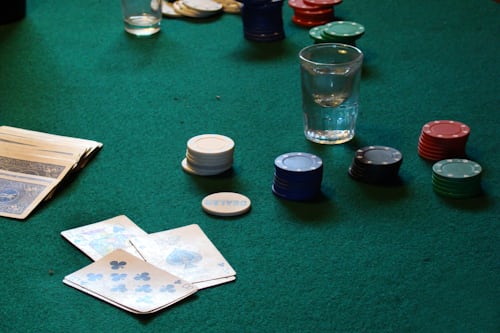
Moreover, the concept of risk plays a significant role in decision-making processes within gambling. Players tend to overestimate their chances of winning, a phenomenon known as the illusion of control. This cognitive bias can lead individuals to adopt strategies that seem promising but may not necessarily increase their odds of success. Understanding this psychology helps explain why many players continue to engage with games despite the inherent risks involved.
The impact of cognitive biases
Cognitive biases are critical in shaping how gamblers perceive the odds and make decisions. One key bias is the gambler’s fallacy, where individuals believe that past outcomes influence future results in games of chance. For instance, if a player has experienced several losses in a row, they might feel a win is “due,” leading to further gambling despite the random nature of the games. This misconception can escalate into problematic gambling behaviors.
Additionally, the sunk cost fallacy often influences players to continue wagering even when the odds are not in their favor. When individuals have already invested time or money, they may irrationally pursue further losses in the hope of recovering their previous investments. Understanding these biases can be crucial for both gamblers and those looking to address gambling-related issues.
The role of reward systems
Casinos effectively employ reward systems that resonate with the brain’s pleasure centers, reinforcing gambling behavior. These can include loyalty programs, bonuses, and the thrill of jackpot wins. The intermittent reward schedule—where players receive rewards at unpredictable intervals—creates a powerful reinforcement loop, encouraging them to play more in hopes of achieving another win.
The excitement generated by near misses also plays a crucial role in keeping players engaged. Near misses can trigger feelings of excitement and anticipation, leading players to believe that success is within reach, even when the odds remain unchanged. This psychological manipulation highlights how casino operators leverage human psychology to foster continued participation in gambling activities.
The social dynamics of gambling
Gambling is not just an individual pursuit; it is often a social activity that influences players’ strategies. The social environment of a casino can enhance the experience through shared excitement and camaraderie among players. This social aspect can amplify the thrill of winning and the collective experience of taking risks, making gambling more appealing.
Moreover, peer influence can shape individual strategies and behaviors. Players may adopt strategies they observe in successful peers, believing that these approaches will improve their own fortunes. The combination of individual psychology with social dynamics creates a unique environment where various strategies evolve and adapt based on interactions among players.

Understanding responsible gambling
In light of the complex psychology behind casino game strategies, it is crucial to emphasize the importance of responsible gambling. Recognizing the cognitive biases and emotional triggers inherent in gambling can empower individuals to make informed decisions about their gaming habits. Strategies such as setting limits, taking breaks, and seeking help when needed can mitigate the risk of developing gambling-related problems.
Resources like Stop The Traffik highlight the significance of understanding gambling’s psychological impact and promote safe practices. By fostering awareness and education around gambling behaviors, individuals can engage in gaming responsibly while still enjoying the thrill of the game.